The Dawn of AI Education: Empowering the Next Generation
The landscape of education is rapidly evolving, driven by the seismic shifts brought about by artificial intelligence (AI) and computer science. As AI continues to reshape industries, economies, and daily life, equipping the youngest generations with foundational knowledge in these fields is no longer an option but a necessity. Demystifying AI and making computer science accessible to K-12 students is paramount for fostering critical thinking, problem-solving skills, and preparing them for a future that will undoubtedly be intertwined with technology.
For parents, educators, and community leaders, the challenge often lies in finding high-quality, engaging, and most importantly, free resources to kickstart this vital learning journey. Fortunately, pioneering organizations and platforms are stepping up, providing robust curricula that introduce complex concepts in an understandable and interactive manner. These initiatives are not just about teaching children to code; they're about teaching them to think algorithmically, to understand the ethical implications of technology, and to become creators rather than just consumers of the digital world.
Free Pathways to Coding Mastery: Resources for Every Learner
Access to quality computer science and AI education shouldn't be a privilege. Thanks to a growing number of dedicated platforms, comprehensive learning pathways are available to all, from elementary school curious minds to high school innovators. These resources are designed to engage, educate, and inspire, transforming what might seem like daunting subjects into exciting adventures.
Code.org: A Global Leader in K-12 Computer Science
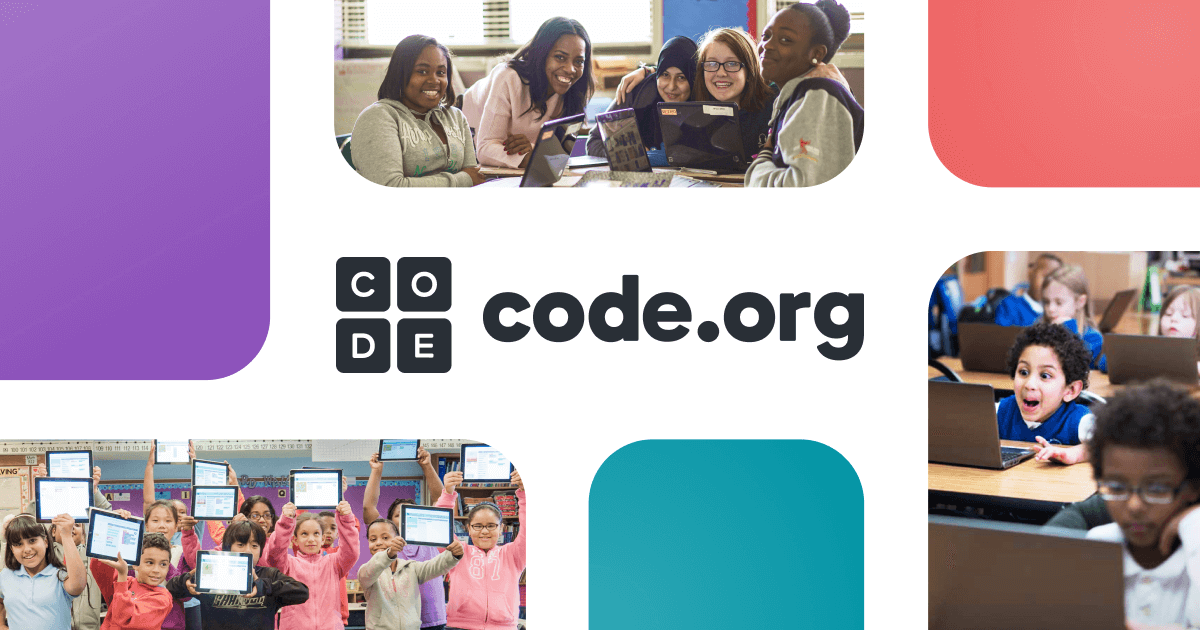
At the forefront of the K-12 computer science movement is Code.org. This non-profit organization has revolutionized how computer science is taught in schools worldwide, offering an extensive, free curriculum tailored for various age groups and skill levels. Their approach goes beyond mere coding; it integrates computational thinking, problem-solving, and AI concepts into engaging lessons that often leverage popular culture references to capture students' attention. From introductory 'Hour of Code' activities that offer a taste of programming to full-fledged courses covering JavaScript, Python, and advanced AI principles, Code.org provides teachers with training, resources, and a community to confidently bring computer science into their classrooms. Their platform empowers educators, even those without a prior computer science background, to deliver impactful lessons, ensuring that every student has the opportunity to learn fundamental digital literacy.
Coddy.Tech: Making Coding Perfect and Accessible
Another excellent resource for those looking to learn coding for free is Coddy.Tech. This platform emphasizes practical, hands-on learning, aiming to make coding "perfect" through consistent practice and real-world application. While the references provided don't delve deeply into Coddy.Tech's K-12 specific offerings, its general approach to free coding education aligns perfectly with the goal of accessible learning. Platforms like Coddy.Tech often provide structured courses in a variety of programming languages, offering interactive exercises, projects, and immediate feedback. For students and self-learners, this can be an invaluable supplement to formal classroom instruction or a standalone pathway to acquire coding skills. The beauty of such platforms lies in their flexibility, allowing learners to progress at their own pace and explore areas of interest, whether it's web development, game design, or data science.
Practical Tips for Getting Started:
- Start Early: Even kindergarteners can grasp basic coding concepts through block-based programming games.
- Make it Fun: Connect coding to students' interests, be it video games, animation, or storytelling.
- Encourage Exploration: Allow students to experiment and make mistakes; it's a crucial part of the learning process.
- Utilize Teacher Resources: Code.org offers extensive professional development and lesson plans for educators.
- Promote Peer Learning: Group projects and collaborative coding sessions enhance understanding and teamwork.
Building Ethical AI: Beyond the Code's Functionality
As we demystify AI and teach children to build with technology, it's equally crucial to instill a profound sense of responsibility and ethics. The power of AI brings with it complex societal implications, from data privacy and algorithmic bias to job displacement and the very nature of human interaction. Therefore, any comprehensive AI curriculum must extend beyond technical proficiency to encompass a deep understanding of ethical AI development.
Educating the next generation means teaching them not just *how* to write code, but *why* they are writing it and *what impact* it will have on individuals and society. This involves critical discussions about fairness, accountability, and transparency in AI systems. Students need to understand that the decisions made in the coding phase can have far-reaching consequences, influencing everything from medical diagnoses to loan applications.
In this context, the concept of a "welfare-first" approach to technology development becomes critically important. Just as stringent regulations and guidelines, like comprehensive "code bien-être animal" (animal welfare code), are established to ensure ethical treatment and well-being in specific domains, a similar spirit of conscientious care must inform the creation of our digital infrastructure. When we teach kids to code, we're not just teaching them syntax; we're teaching them to be responsible architects of the future. We're instilling the imperative to design AI that serves humanity, promotes well-being, and upholds ethical standards, rather than inadvertently causing harm or perpetuating biases.
This ethical dimension is not an afterthought; it should be woven into the fabric of computer science and AI education from the ground up. Tools like Visual Studio Code provide powerful environments for AI development, but the most sophisticated tools are only as ethical as the developers wielding them. Empowering students with the knowledge and moral compass to build beneficial AI is arguably the most important lesson of all.
Practical Steps for Educators and Parents: Cultivating Responsible Innovators
Integrating AI and computer science into K-12 education, with a strong emphasis on ethics, requires thoughtful planning and execution. Here are some actionable steps:
- Embrace Interdisciplinary Learning: Connect computer science with other subjects like social studies (discussing AI's impact on society), art (AI in creative design), and even biology (AI in medicine).
- Facilitate Ethical Discussions: Regularly incorporate case studies and dilemmas related to AI's societal impact. Ask questions like: "If an AI makes a mistake, who is responsible?" or "How can we ensure AI treats everyone fairly?"
- Leverage Free Curricula: Utilize the structured lesson plans and activities provided by Code.org and similar platforms. They offer ready-to-use resources that make implementation straightforward for teachers.
- Encourage Project-Based Learning: Have students work on projects that require them to consider the user experience and societal implications of their code. For example, designing an app that solves a community problem.
- Stay Informed: For educators and parents, keeping up with the rapid advancements in AI is essential. Attend webinars, read articles, and join professional communities to deepen your understanding.
- Advocate for Policy Changes: Support initiatives that champion mandatory computer science education in schools, ensuring equitable access for all students regardless of their background or zip code.
By taking these steps, we can move beyond simply teaching technical skills and instead cultivate a generation of responsible innovators who understand the profound power of code and are committed to using it for the greater good.
Conclusion
Demystifying AI and making K-12 computer science education universally accessible is a collective endeavor that promises profound returns. By leveraging free, high-quality resources like Code.org and platforms such as Coddy.Tech, and by embracing powerful development environments like Visual Studio Code, we empower children to not only understand the digital world but to actively shape it. More critically, by embedding ethical considerations and a "welfare-first" mindset into every lesson, we ensure that the next generation of coders, AI developers, and tech leaders will build a future that is not just technologically advanced, but also equitable, responsible, and beneficial for all members of society. The journey of learning to code is truly a pathway to unlocking potential, fostering innovation, and building a more thoughtful digital world.